
 Modern gazdálkodók új generációja
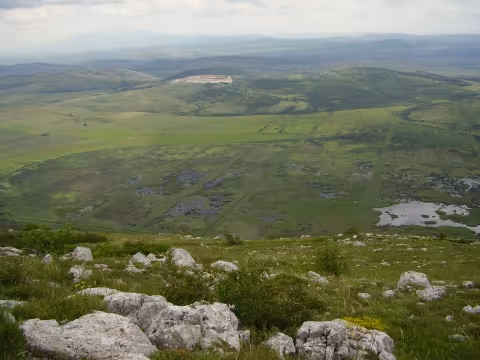
Although agriculture is still a crucial component of the rural economy in the EU countries, rural areas for the most part have become multi-functional. No longer entirely restrained by productivist pressure, rural areas have taken on new roles as recreational and creative spaces. It is true that sometimes the productive and aesthetic values of the rural landscape disagree, such as when the windfarm clean energy industry collides with attachment to the sight, but this tension does not necessarily exist. This year for example the Dragoman Marsh was featured at the Venice Biennale in the “Swamp Song” video work of artist Maria Nalbantova, part of the Bulgarian pavilion that points the spotlight at care for the environment as a long-term, collective and political process.
“Dragoman Marsh is a place of contradiction between rotting and bloom, disappearance and return. It is the mirror of a complex ecosystem that reflects natural and socio-political processes and long-term efforts for care and recovery. In this unstable and border territory of water and land but also an EU border plenty of intertwining micro-stories cohabit”, says Maria Nalbantova.
In many places, the rural still remains a place where the land is envisaged as part of a productive cycle. But even agriculture has ventured into new territories and displayed its innovativeness as it adapts to the problems of climate change and loss of biodiversity that shape our relationship with natural and rural areas in the twenty-first century. In the context of a changing Common Agricultural Policy that incorporates sustainability exigencies food and wine producers are attempting to refashion the sector to be more holistic, more inclusive, and greener.
Another authentic element, rural crafts, have long been part of global markets and help rural areas diffuse their culture outward through the circulation of local commodities and know-hows.