Word of the day

European Commission

eAmbrosia

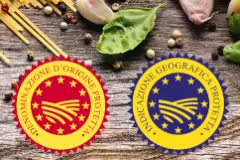
eAmbrosia is a legal register of the names of agricultural products, wine, and spirit drinks that are registered and protected across the EU, which provides direct access to information on all registered geographical indications and product specifications.

Image:
European Commission
European Commission

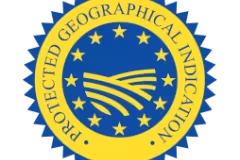
Geographical indication

Geographical indications protect the names of products that are closely linked to a specific place and traditional production methods of a wide range of foodstuffs and beverages.

Image:
European Commission
eco farming

GAEC

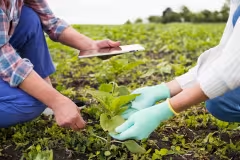
Good Agricultural and Environmental Conditions is a set of European Union standards designed to ensure sustainable farming under the CAP.

Image:
magnific.com
farmers

Gender Equality

Gender equality in agriculture means that women and men have equal rights, responsibilities, access to resources, and decision-making power across all parts of the food and farming system.

Image:
magnific.com
farmers

Generational renewal

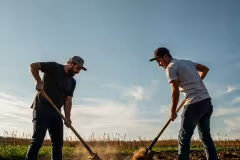
Generational renewal is the process by which an aging workforce is replaced by younger generations, ensuring long-term continuity, innovation, and stability.

Image:
©prostooleh, magnific.com
pic

Producer organisations

Producer organisations help farmers reduce transaction costs and collaborate when processing and marketing their products. Such are producer cooperatives and associations.

Image:
magnific.com
pic

Farm

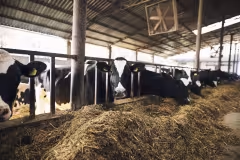
A farm or agricultural holding is a technically and economically single unit operating under a single management that receives direct support under the CAP financial instruments.

Image:
magnific.com
farmers

Agricultural Knowledge and Innovation System (AKIS)

The combined organisation and knowledge flows between individuals, organisations, and institutions who use and produce knowledge for agriculture and interrelated fields and strengthen links between research and practice.

Image:
magnific.com
Food loss

Food loss

Food loss is the decrease in the quantity or quality of food resulting from decisions and actions by food suppliers in the chain, excluding retailers, food service providers and consumers.

Image:
magnific.com
food waste

Food waste

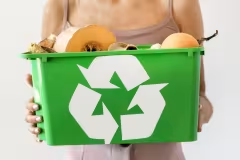
Food waste is discarded food and its associated inedible parts (such as bones or fruit cores). Food waste occurs at all stages of the food supply chain, from farm to fork. However, the largest share is generated at consumption, which is a key area of focus for food waste prevention programmes.

Image:
magnific.com