 Next Generation Modern Farmer
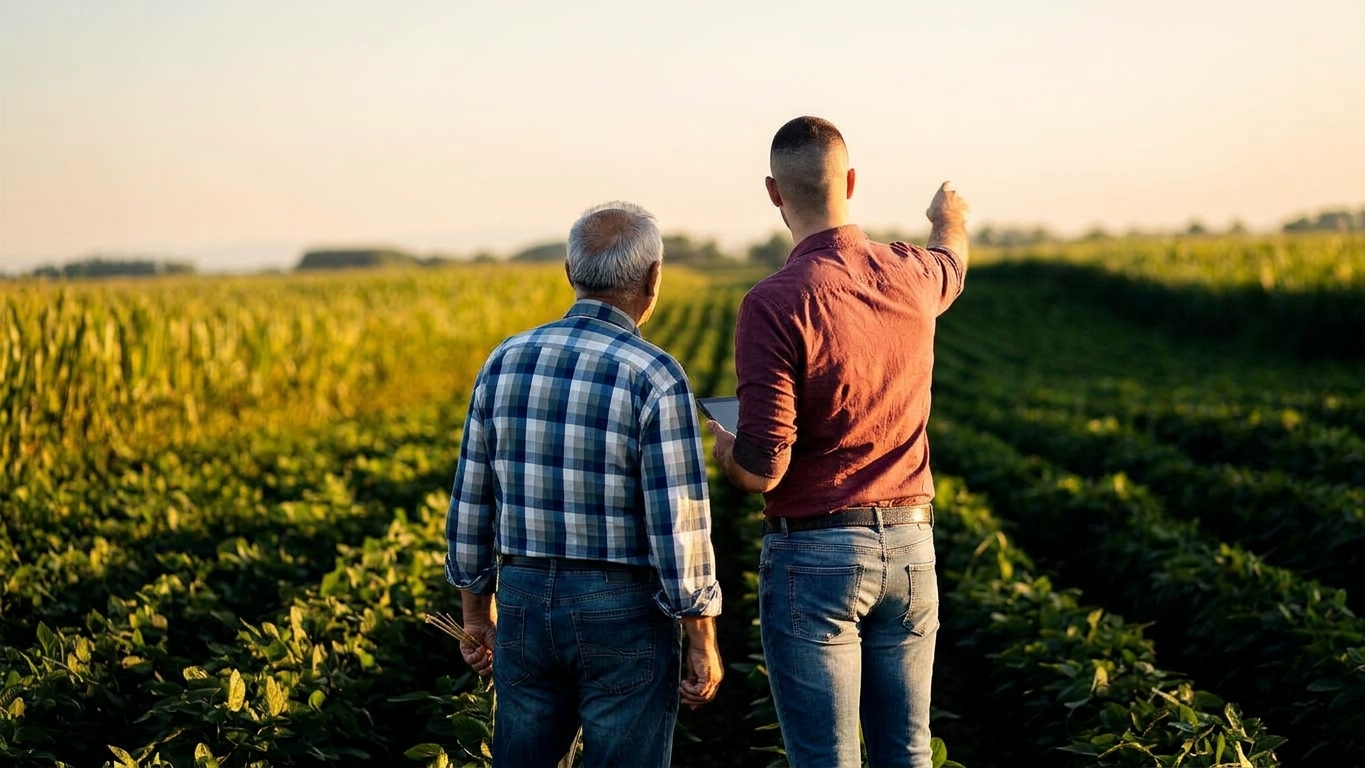
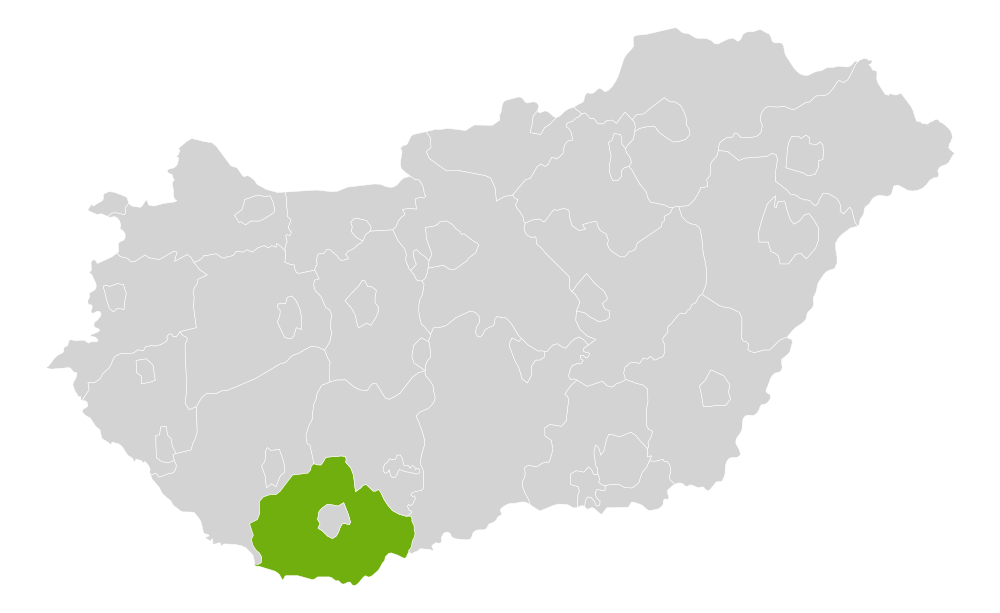
An essential aim of the Common Agricultural Policy is to make a career in agriculture more attractive for young and new farmers and promote retention of farmers in the sector. One such project is being implemented in Királyegyháza, Baranya County, since the beginning of January with support under the Hungarian Government Decree 54/2023, which has reference to the CAP Implementing Regulation. It is titled "Support for Agricultural Transfer Cooperation".
József Csaba Gyimesi's farm transfer project in Királyegyháza illustrates how the knowledge of a family farm, generated for decades, can be passed on with a young farmer's approach, sustainable technologies and long-term development plans. The farm operates in animal husbandry and crop production in a traditional family style. József, the young farmer, takes over the production with a modern approach, building on inherited professional foundations. The combination of crop production and animal husbandry optimizes resources based on local conditions and reduces dependence on external inputs.
In the case of József the generational change does not only mean a change in ownership or management but also creates opportunities for traditional knowledge continuity in conjunction with modern, sustainable production methods.
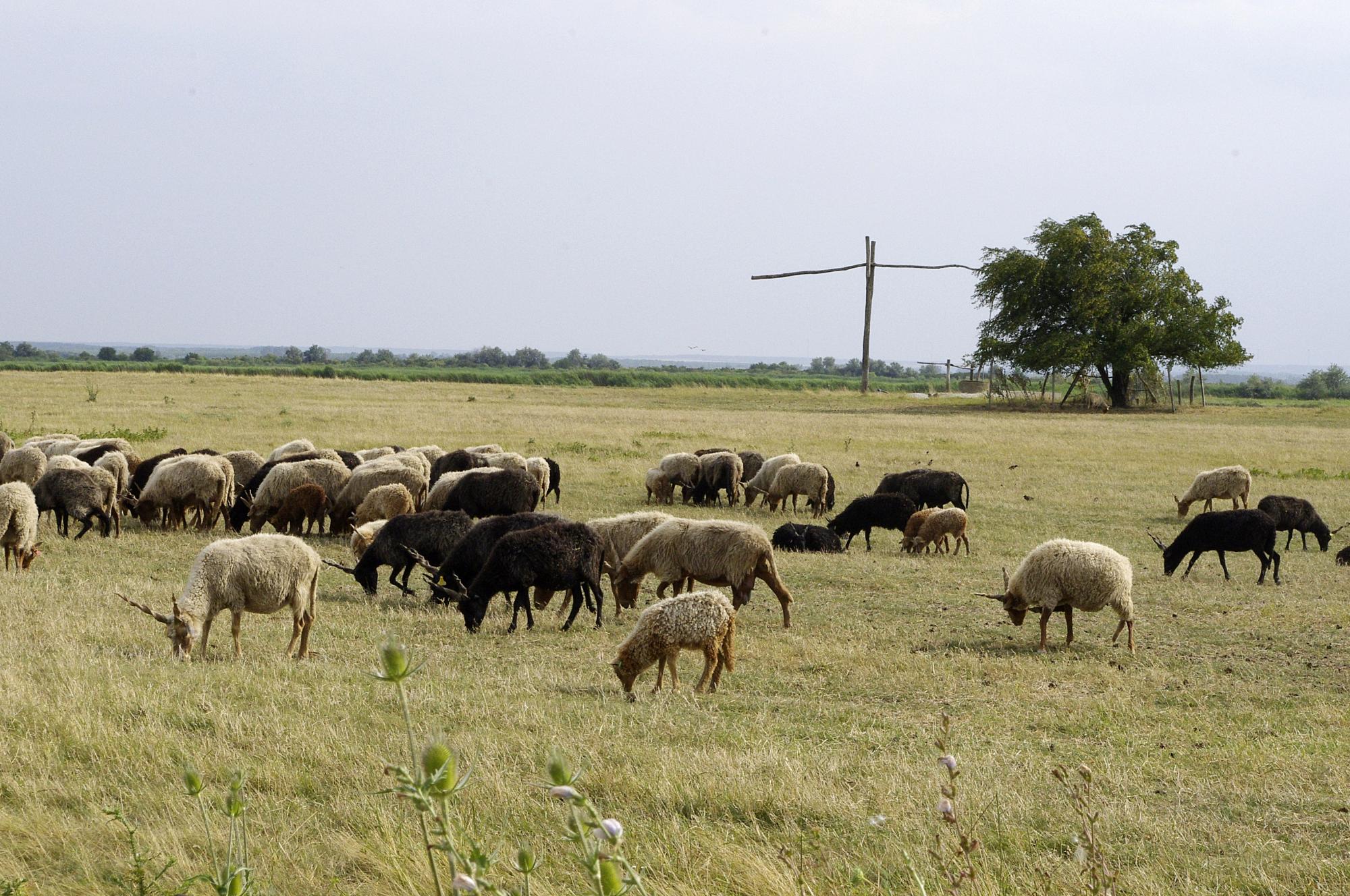
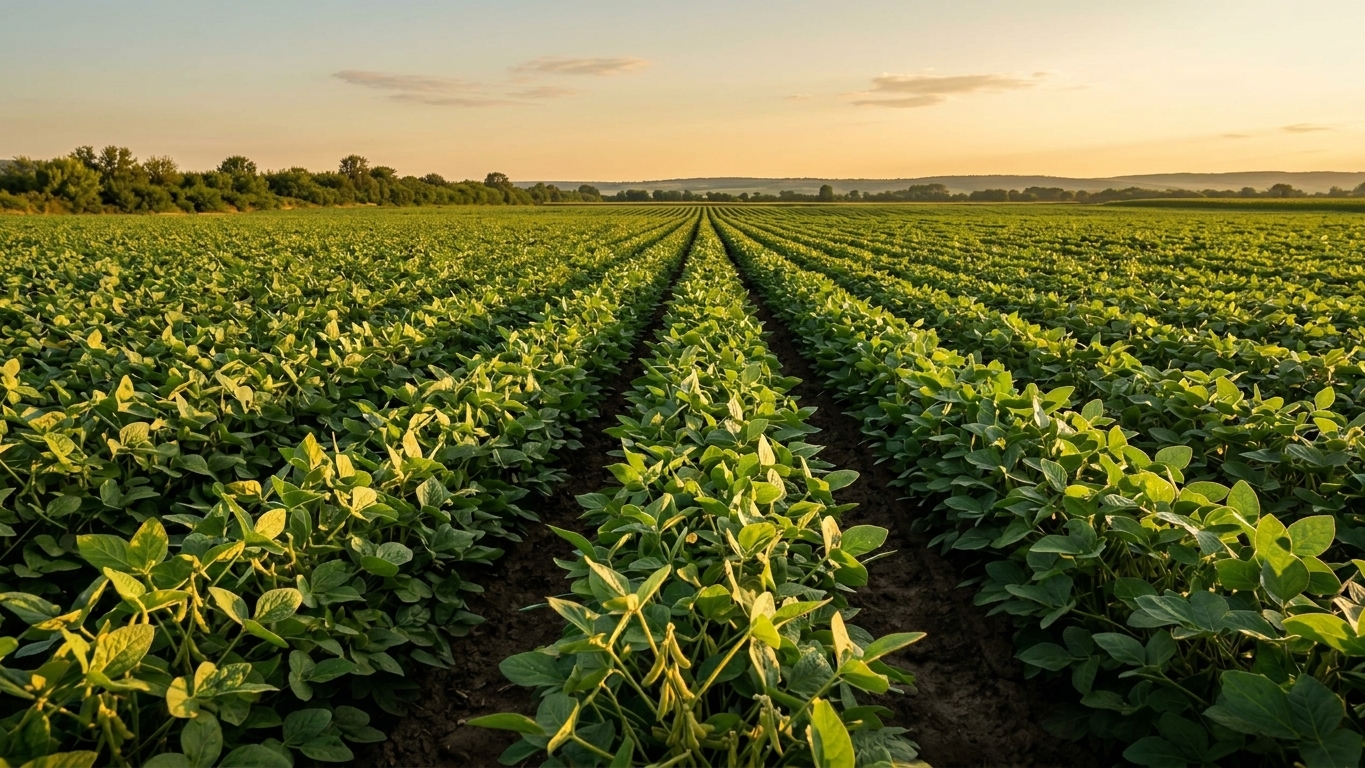
The farm produces several complementary crops - winter wheat, corn, soybeans and alfalfa, applying sustainable technologies and soil-conserving and direct-seeding methods in particular. The breeding of Racka sheep in turn helps the preservation of a traditional Hungarian species. The cultivation of alfalfa and soy directly supports the feeding of the livestock, forming a closely interconnected, coordinated system of crops and animals.
Based on materials from: Herman Ottó Intézet Nonprofit Kft., Nemzeti KAP-hálózat Vidék- és Térségfejlesztési Támogató Egységének