43% of EU farms with internet access
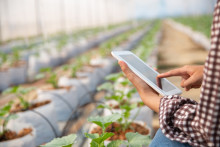
In 2023, about 43% of EU farms reported having internet access. Some northern and central European countries such as Denmark, Germany, Slovakia, Latvia, Czechia, and Austria, had rates above 90%.

In 2023, about 43% of EU farms reported having internet access. Some northern and central European countries such as Denmark, Germany, Slovakia, Latvia, Czechia, and Austria, had rates above 90%.
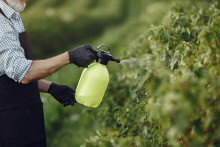
The European Commission published a study providing a preliminary evaluation on the market impacts of lowering all residue levels of the most hazardous pesticides in imported food and feed.
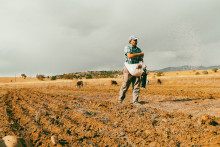
This is the challenge at the heart of FertiCovery, an EU-funded research and innovation project bringing together researchers, industry, farmers and policymakers to identify practical nutrient recovery solutions that are ready to be deployed across Europe. Coordinated by Netherlands-based BTG Biomass Technology Group, the project connects 8 partners* from 7 countries across Europe, including Belgium, Germany, Greece, Italy, Poland, Spain, and The Netherlands.
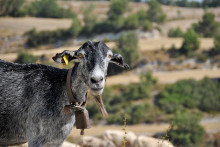
The European Commission adopted the Livestock Strategy to ensure Europe's valuable livestock sector remains strong and resilient in the long term. The Strategy, the first of its kind, sets out actions to help livestock farmers address economic, environmental and market challenges. This long-term vision recognises the essential role of sustainable livestock farming in Europe's future to protect Europe's food security and support rural communities in all their diversity.
The Livestock Strategy sets out the following five priorities:
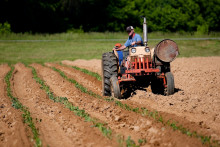
Parliament adopted measures designed to alleviate the impact on EU farmers of rising fertiliser prices
MEPs decided to fast-track the changes to the EU common agricultural policy (CAP)asproposed by the Commission, to ensure farmersget aidin time tobuy fertilisers for the nextgrowingseason.

The European Commission presents measures to help farmers facing sharply rising fertiliser costs and to support Europe's food security, delivering on the recently announced Fertiliser Action Plan. In recent months, geopolitical tensions and supply disruptions have pushed prices of fertilisers up across Europe.

The 2026 edition focuses on the theme of ‘Gender equality’, highlighting projects that empower women to actively shape the future of farming and rural areas. These projects support women’s leadership, foster entrepreneurship, promote equal opportunities, and contribute to more inclusive rural communities. This year’s competition will continue to showcase the impact of CAP-funded projects in strengthening food security, enhancing environmental resilience, and supporting the socio-economic fabric of rural areas.
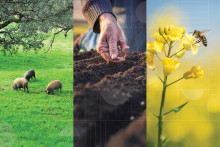
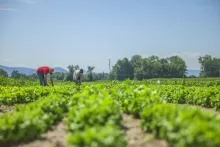
Member States endorsed the Commission's proposal to mobilise €21.5 million from the agricultural reserve to support farmers in Bulgaria (BG), Estonia (EE) and Hungary (HU) affected by adverse weather events during the 2025 growing season. They will respectively receive €7,4 million (BG), €3,3 million (EE) and €10,8 million (HU) of exceptional support, which can be complemented by up to 200% of national funds.
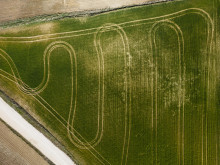
Climate-resilient agriculture can help maintain productivity and stabilise farm incomes—while safeguarding food security and the ecosystem in Europe. Strategic investment and stronger governance are needed to support farms’ transition, shows an EEA briefing published today.